 English
 Español
 हिन्दी
 Tiếng Việt


ألواح العزل الحراري خفيفة الوزن
Lightweight Thermal Insulation Panels: An Overview Lightweight thermal insulation panels are advanced materials designed to minimize heat transfer while offering significant weight savings compared to traditional insulation solutions. These panels are widely used in industries such as construction, aerospace, automotive, and industrial applications where thermal efficiency, space optimization, and weight reduction are critical. Composition and Materials These panels typically consist of a core material with low thermal conductivity, sandwiched between thin, durable facings. Common core materials include: - Aerogels – Ultra-lightweight and highly insulating, with extremely low thermal conductivity. - Polyurethane (PUR) & Polyisocyanurate (PIR) Foams – Provide excellent insulation with good structural stability. - Mineral Wool & Fiberglass – Fire-resistant and suitable for high-temperature applications. - Vacuum Insulation Panels (VIPs) – Offer superior thermal resistance in a thin profile but require careful handling. Facings may be made of aluminum foil, fiberglass, or composite materials to enhance durability, moisture resistance, and structural integrity. Key Advantages 1. High Thermal Resistance (R-Value) – Effectively reduces heat transfer, improving energy efficiency in buildings and industrial systems. 2. Lightweight – Significantly lighter than traditional insulation (e.g., brick or concrete), reducing structural load and transportation costs. 3. Space-Saving – Thin profiles allow for more usable space in construction and tighter packaging in industrial applications. 4. Fire Resistance – Many lightweight panels are non-combustible or have fire-retardant properties, enhancing safety. 5. Moisture & Corrosion Resistance – Ideal for harsh environments, including refrigeration, marine, and chemical processing. 6. Ease of Installation – Can be cut, shaped, and installed quickly, reducing labor costs. Applications - Construction – Used in walls, roofs, and floors to improve building energy efficiency. - Aerospace & Automotive – Insulates aircraft, spacecraft, and electric vehicles to manage thermal loads and reduce weight. - Industrial – Protects pipelines, storage tanks, and equipment from heat loss or gain. - Cold Chain & Refrigeration – Maintains temperature stability in refrigerated transport and storage. Challenges - Some materials (e.g., VIPs) may be fragile or lose effectiveness if damaged. - Higher initial cost compared to conventional insulation, though long-term energy savings offset this. Future Trends Research focuses on improving sustainability (e.g., bio-based foams), enhancing fire resistance, and further reducing thickness while maintaining performance. Lightweight thermal insulation panels represent a versatile, efficient solution for modern thermal management needs across multiple industries. Their combination of performance, weight savings, and adaptability ensures continued growth in demand.
نتاج
تصنيف:
-
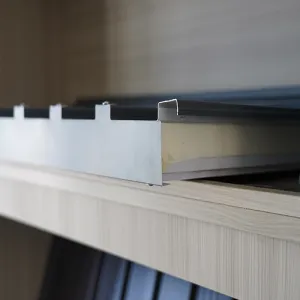
بلاط عازل خفيف الوزن
تصنيفها: بلاط الألمنيوم العازل للحرارةالمشاهدات: 11عدد:وقت الإصدار: 2025-10-28 11:26:16عزز كفاءة استخدام الطاقة والأداء الهيكلي باستخدام البلاط العازل خفيف الوزن. تم تصميم هذه البلاطات بتركيبة متينة وخفيفة الوزن، وتوفر عزلًا حراريًا ممتازًا وسهولة التعامل والتركيب السريع. مثالية للتطبيقات السكنية والتجارية والصناعية، فهي تقلل الحمل الهيكلي مع الحفاظ على مقاومة فائقة للحرارة ومتانة طويلة الأمد. مثالية للأسقف والجدران والأرضيات، فهي تجمع بين التطبيق العملي والعزل عالي الأداء.
أخبار
تصنيف:
لا توجد نتائج بحث!
حالة
تصنيف:
لا توجد نتائج بحث!
فيديو
تصنيف:
لا توجد نتائج بحث!
تحميل
تصنيف:
لا توجد نتائج بحث!
تجنيد
تصنيف:
لا توجد نتائج بحث!
المنتجات الموصى بها
لا توجد نتائج بحث!



 هاتف
هاتف